Mr Kidman's Classroom



Revise the key ideas
Hearing tradition and interaction
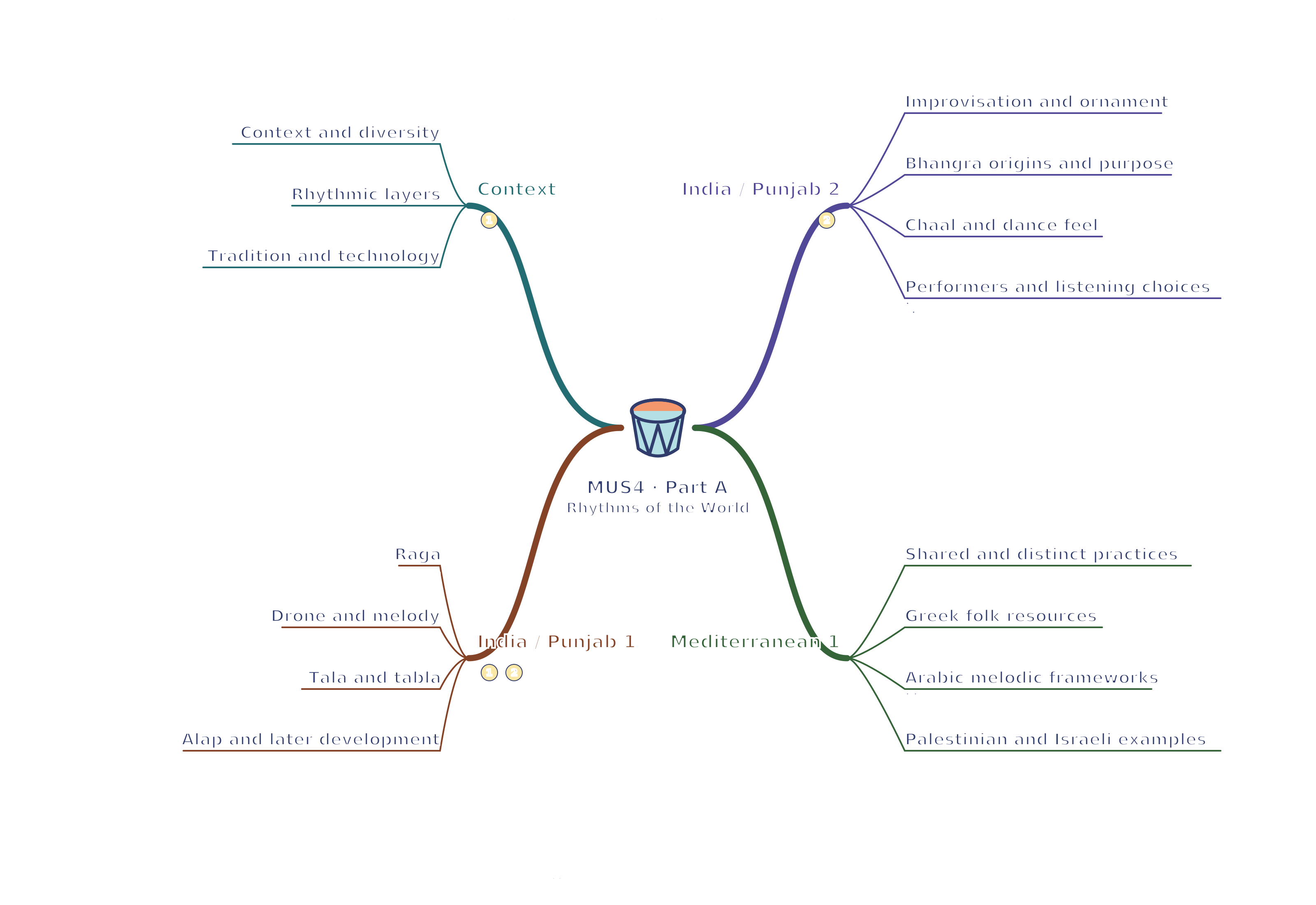
- Context and diversity — Rhythms of the World includes Indian classical/Punjabi bhangra, Eastern Mediterranean/Middle Eastern folk traditions, African drumming, and calypso/samba. Each contains varied communities, occasions and evolving practice. Identify a specific tradition, its instruments and interactions. Synthetic examples here isolate rhythmic relationships and do not claim to represent authentic performances.
- Rhythmic layers — An ensemble can combine a steady timeline, interlocking repeated patterns, cross-rhythms and improvised calls. Hear the cycles before counting every attack. A leader may cue entries and endings through a distinctive phrase. Increasing density can build excitement without speeding up the underlying pulse.
- Tradition and technology — Traditional patterns may appear in modern staged or recorded music with microphones, electric instruments, samples and sequenced beats. Explain what has changed in sonority, venue or interaction. Modernisation is not evidence that an entire tradition has stopped existing, and different versions can coexist.
Indian classical music and Punjabi bhangra
- Raga — A raga is more than a scale: it involves a pitch collection, characteristic melodic patterns and conventions of use. A performer develops it through exploration and improvisation within the tradition. Ornament and pitch inflection can include microtonal detail. Not every note collection or improvised Western solo is therefore a raga.
- Drone and melody — A tanpura/tambura commonly supplies a repeating drone while a sitar, other melodic instrument or voice elaborates a raga. Sitar is a plucked string instrument; its sympathetic strings contribute resonance. Texture may be melody with drone and percussion rather than functional Western chord progressions. Identify the roles heard in the selected example.
- Tala and tabla — A tala is a recurring cycle of beats organised into groupings. Tabla is a pair of drums with contrasting sounds and detailed hand/finger techniques. An example is sixteen-beat tintal/teental, grouped 4+4+4+4, but many other cycles exist. The beginning of the cycle provides an important point of coordination; tala is not simply another word for tempo.
- Alap and later development — In many instrumental Hindustani presentations an alap explores the raga without a regular drum cycle; later sections introduce stronger pulse and percussion. Terminology and sequence vary with tradition. Listen for the actual change in rhythmic organisation rather than treating every Indian piece as the same fixed layout.
- Improvisation and ornament — Slides, bends and detailed ornaments can develop an expressive melodic line. The player makes choices within the raga and rhythmic framework rather than selecting any random pitches. Coordination with percussion may become increasingly elaborate. Evaluate interaction and development rather than judging it by European notation alone.
- Bhangra origins and purpose — Bhangra is associated with Punjab and celebratory dance, including harvest contexts, and has developed through stage, migration and popular recording. Dhol is a double-headed drum played with sticks, producing contrasting sides. Traditional forms can include singing and instruments such as tumbi; modern versions may add synthesised bass, keyboards and samples.
- Chaal and dance feel — Chaal is a characteristic bhangra dhol rhythm; repeated accented patterns drive dance. Listen for the contrast between drum sounds, strong pulse, repeated vocal phrases and call/response. Recorded arrangements may use syncopation, electronic layers and production effects. A loud electronic beat alone is not enough to identify bhangra.
- Performers and listening choices — Ravi Shankar's sitar work and Alla Rakha's tabla performances provide Hindustani listening examples. Gurdas Maan and contemporary Punjabi/bhangra performers offer contrasting vocal and staged contexts. Hear actual recordings and check credits, instruments and setting. Individual examples do not represent every Indian or Punjabi tradition.
Eastern Mediterranean and Middle East
- Shared and distinct practices — Greek, Palestinian and Israeli folk traditions include contrasting instruments, modes, dance functions and ensemble practices. Some rhythms use unequal groupings such as 7/8 organised 3+2+2; other dances use regular duple metre. State the grouping in the heard example and avoid claiming all music from these communities is irregular.
- Greek folk resources — Bouzouki is a long-necked plucked string instrument associated with Greek music; a melody may use ornaments, repeated phrases and modal patterns. Dance styles such as kalamatianos can use seven-beat groupings. Ensembles and instrumentation vary. The specific dance and historical context matter more than an assumed universal Greek sound.
- Arabic melodic frameworks — A maqam organises pitches and characteristic melodic behaviour; some use intervals outside Western equal temperament. Oud is a plucked short-necked lute and qanun a plucked zither; darbuka/doumbek is a goblet drum. Do not label every mode minor or assume microtones are inaccurate tuning. Listen within the relevant musical tradition.
- Palestinian and Israeli examples — Dabke is a group line-dance tradition found in Palestinian and neighbouring communities, often supported by repeated drum patterns and melodic instruments or voice. Israeli folk-dance contexts include hora traditions, often with clear repeating pulse. Arrangements reflect different histories and communities. Similar instruments do not make cultural identities interchangeable.
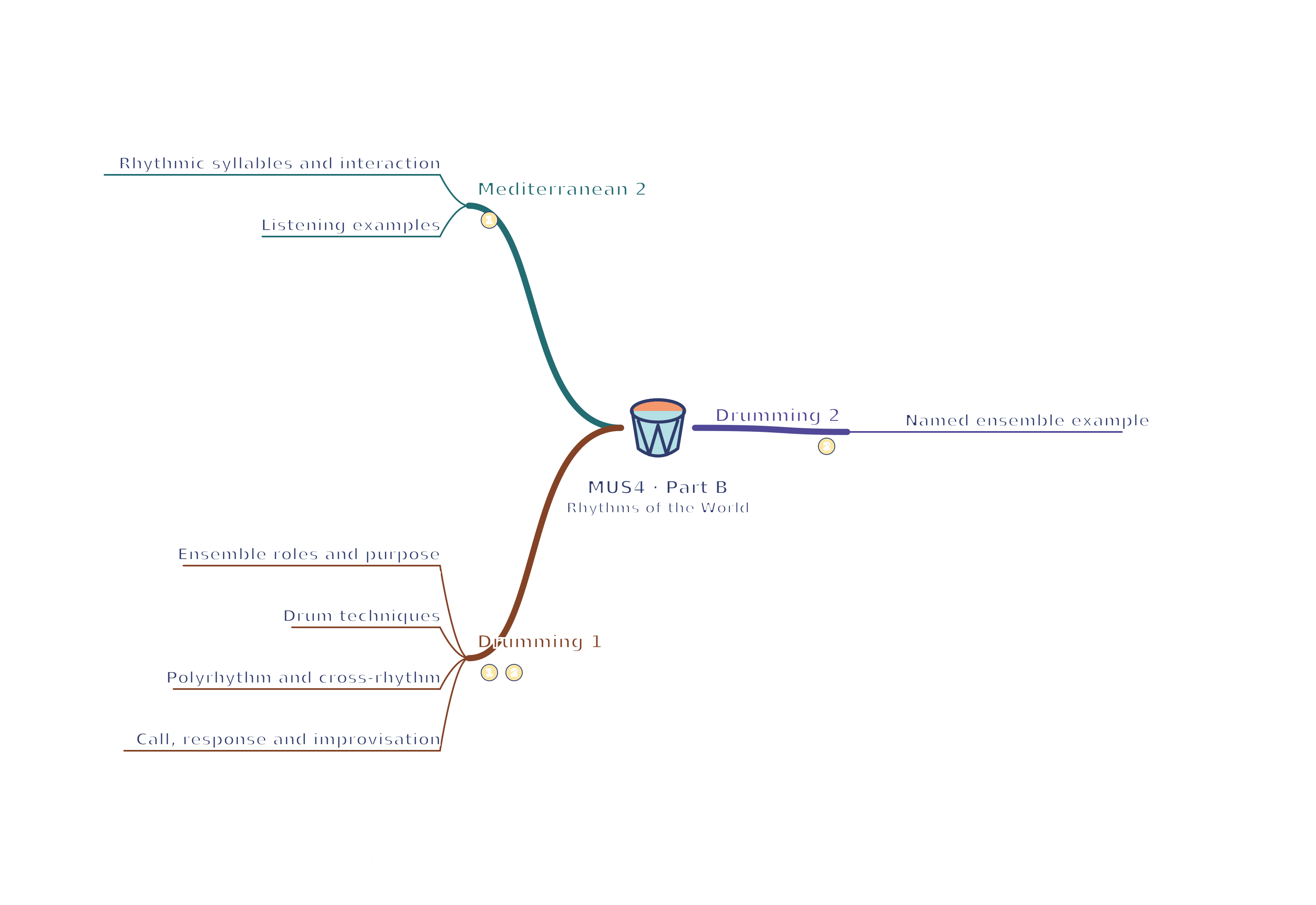
- Rhythmic syllables and interaction — Drummers can combine resonant bass strokes and higher edge sounds to define a cycle. Melody, accents and dance steps coordinate within it. Call/response, repeats and ornament can support collective participation. Identify the pattern and sound sources in a specific example rather than imposing a single pattern on the whole region.
- Listening examples — The Palestinian ensemble Le Trio Joubran offers oud-led listening; Greek bouzouki recordings such as those associated with Manolis Hiotis offer a contrasting resource. Israeli folk ensembles and dance recordings provide further examples. These are listening choices, not set works, and a contemporary concert arrangement may differ from a traditional dance performance.
African drumming
- Ensemble roles and purpose — Many West African drumming traditions organise supporting ostinatos, a timeline and a lead/master drummer, with dance and singing. Music can serve social, ceremonial or celebratory purposes. Africa contains many traditions; describe a named ensemble or community instead of assuming all African music uses the same instruments or structure.
- Drum techniques — Djembe is a hand-played goblet drum; centre and edge strokes can produce bass, tone and slap sounds. Dununs are often played with sticks, while bells can supply a timeline. Instrument names and roles vary by tradition. Good technique controls sound and timing; hitting harder is not the only way to create contrast.
- Polyrhythm and cross-rhythm — Repeated parts may divide a common span differently, creating cross-rhythms, while fitting the ensemble's larger cycle. Hear each layer and then their combination. Syncopation can occur within one pattern and is not identical to polyrhythm. The original three-against-two exercise demonstrates the relationship without claiming to imitate a whole traditional performance.
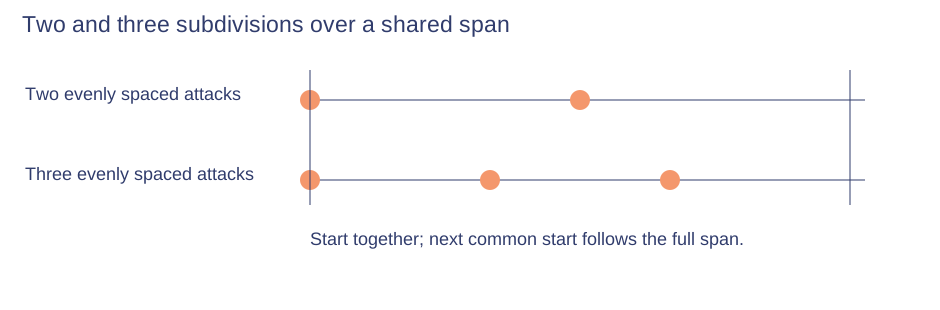
Original teaching diagram. Apply it with the full explanation. Original synthesised listening illustration: Lower notes divide the shared span into two; higher notes divide it into three. Follow each layer and hear where their attacks coincide.
Compare these isolated features with varied real repertoire; this is not an authentic traditional performance or exam extract.
- Call, response and improvisation — A lead drummer may introduce an improvised call answered by other players or dancers. Supporting ostinatos preserve orientation. Signals can change tempo, texture or section; responses are learned through rehearsal and tradition. Improvisation is informed interaction rather than an absence of organisation.
- Named ensemble example — Les Percussions de Guinée offers a listening example of Guinean percussion presentation. Note the recorded arrangement, instrumental roles and performance context; a concert recording may adapt practices for the stage. Locate entries and responses rather than using the group name as proof of a particular pattern.
Calypso, steel bands and samba
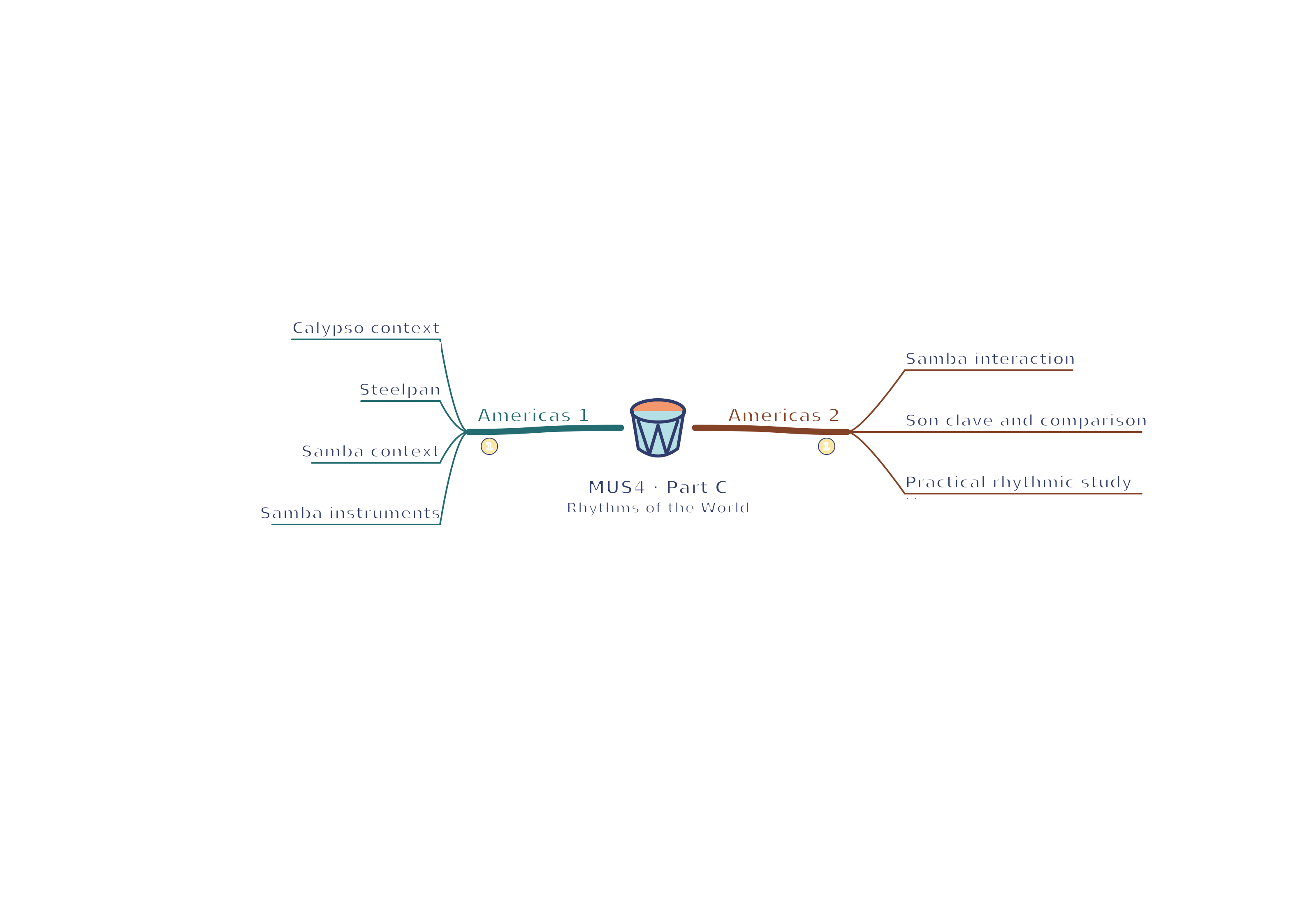
- Calypso context — Calypso developed in Trinidad and Tobago, with traditions of topical storytelling and commentary. Syncopation, repeated refrains and varied accompaniment can support vocal delivery. Calypso is not identical to every Caribbean popular style. Harry Belafonte and Mighty Sparrow provide contrasting listening examples; examine the particular recording rather than copying lyrics.
- Steelpan — Steelpan developed in Trinidad and Tobago. Differently pitched pans can form an ensemble with melodic, harmonic and bass functions alongside percussion. The bright attack comes from struck tuned areas, not electronically synthesised notes. A steel band is an ensemble resource, not a synonym for one rhythm or all calypso performances.
- Samba context — Samba has Afro-Brazilian roots and varied regional/vocal forms. In carnival samba a bateria combines interlocking percussion, repeated grooves and coordinated breaks; dance and procession influence projection and repetition. Sambadrome performances and small recorded groups can use different forces. Explain the setting of the example heard.
- Samba instruments — Surdo supplies deep pulse, caixa a snare-like pattern, tamborim bright repeated figures, agogô two contrasting bell tones and chocalho shaker texture. Repinique can give calls, and an apito whistle can cue the group. Roles vary by arrangement; not every instrument is present in every passage.
- Samba interaction — Layered ostinatos, syncopation and call/response build a groove; coordinated breaks punctuate the texture. A leader's signal can cut off or restart the ensemble. Listen for additions, removals and responses. Mangueira's bateria offers a named carnival listening example, distinct from a claim that all samba follows one exact arrangement.
- Son clave and comparison — Son clave is associated with Afro-Cuban music and is not a universal samba pattern. Its common five-stroke two-bar organisation can be 3–2 or 2–3. Compare a heard timeline with the other parts and cultural context. Sharing syncopation does not make calypso, samba and son interchangeable genres.
- Practical rhythmic study — Clap a steady pulse, add an ostinato, then rehearse an answering pattern or contrasting subdivision. Agree cues for entries and endings. Evaluate whether each part remains clear and coordinated. To understand a tradition fully, use authentic repertoire and contextual teaching alongside these isolated rhythmic exercises.